What Perfectionism Feels Like
For more than eight years, I’ve had a backstage pass to the inner lives of ordinary people who are extraordinarily hard on themselves. These perfectionists aren’t always high achievers—though some are—and they often don’t look like they’re struggling from the outside.
I want to share some of the common threads I see show up again and again, and see if any of these experiences feel familiar:
For some perfectionists, it feels like their worth lives in their productivity. When they try to rest, they do what one client called “half-assed relaxing”—going through the motions of something fun while feeling guilty the whole time, mentally punishing themselves for it, or clenching their body as if to signal that they know they’re not really allowed to do this. When they’re resting, they feel bad about not working. When they’re working, they feel bad about not having better self-care. And despite all this effort, they often procrastinate the things that matter most to them.
For others, perfectionism looks like a never-ending treadmill of self-improvement: always searching for the next book, program, or podcast that will finally make them…better. They’re holding their breath for life to really start. They’ll let themselves relax after the milestone, the accomplishment, the relationship, the body goal. But getting the gold star at best only brings only a brief sense of relief—not pride, not arrival. There is no arrival on a treadmill.
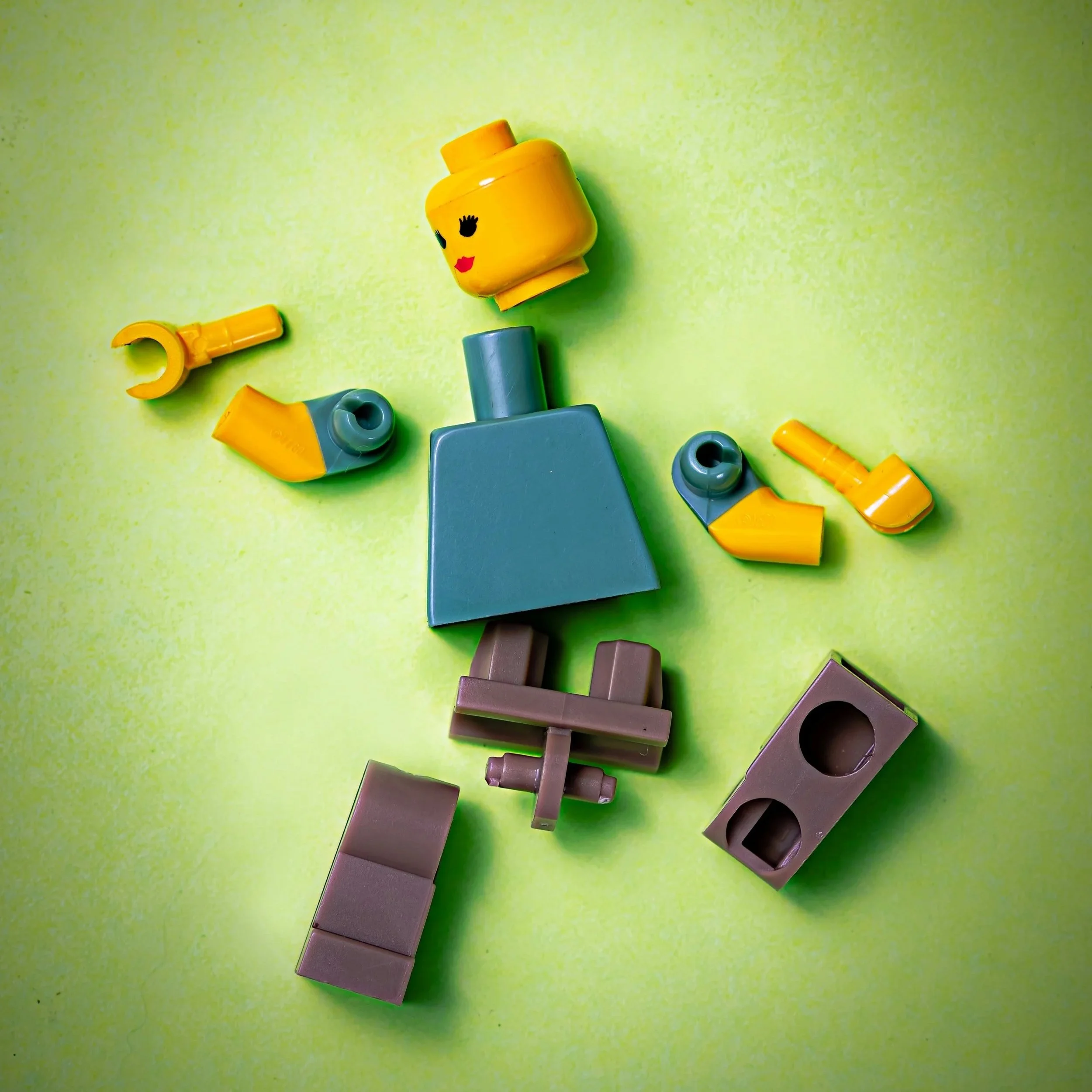
Portrait of me at the height of my perfectionism.
Photo by Jackson Simmer via Unsplash.com
I also work with perfectionists with huge hearts and observant eyes—people with deep compassion for everyone else’s mistakes, suffering, and humanity. Just not their own. They’re as afraid of being arrogant as they are of being a burden. Their personal hell is getting in trouble or disappointing someone. They don’t know what to do with a compliment, and they apologize so often that people ask them to stop.
Some experiences are so specific that it’s almost unbelievable how often they come up. People who felt special as kids, and felt guilty about the feelings of their stuffed animals if they didn’t play with them enough. So many people who pick at the “flaws” in their skin the same way they pick at the “flaws” in themselves. And I cannot overstate how many clients came in after Encanto was released and said they got teary-eyed during the song Surface Pressure.
If you see yourself in any of these experiences, please know that I’m not guessing: I’ve been listening. I've lived it. These are heavy, invisible burdens to carry, and you are far from alone in carrying them. If you want to, I’d love for you to reply and tell me what stuck out to you.
Next week, I’m going to talk about why so many of us live this way. It’s the crux of my work, and I feel the weight of getting it right—which is exactly why I’m choosing to try it anyway, imperfectly.
© 2025–2026 Summer Hopkins Myers | Already Good
This work is original and protected. Sharing links is welcome; unattributed reproduction and LLM training is not.